For my English speaking audience, please scroll down 😉
Under min tid i Auckland har jag haft som rutin att varje torsdag förmiddag snöra på mig kängorna och gå ut till vulkanområdet framför huset jag bor i. Volontärer från naturskyddsgruppen Forest & Bird träffas då för att gå ytterligare en rond mot de invasiva arterna. Jag har nämnt detta i ett tidigare inlägg, men idag tänker jag att ni ska få följa med, och kanske lära er något nytt ogräs 😛
Gänget består mestadels av pigga pensionärer, och kompletteras av folk med flexibla arbetstider samt studenter och noviser som jag. Vanligen ses vi vid en container vid kraterns norra ände. Där plockar vi på oss knivar och ogräsgift för att sedan traska ut i bushen.


Ibland har vi ett specifikt mål, som att skära ner pampasgräs, som har sitt naturliga habitat i Sydamerika, och spraya rötterna med gift. Det är ett fiffigt gift på så sätt att det är framtaget för att bara döda vissa arter. Växter som däremot växer här naturligt påverkas inte av giftet.
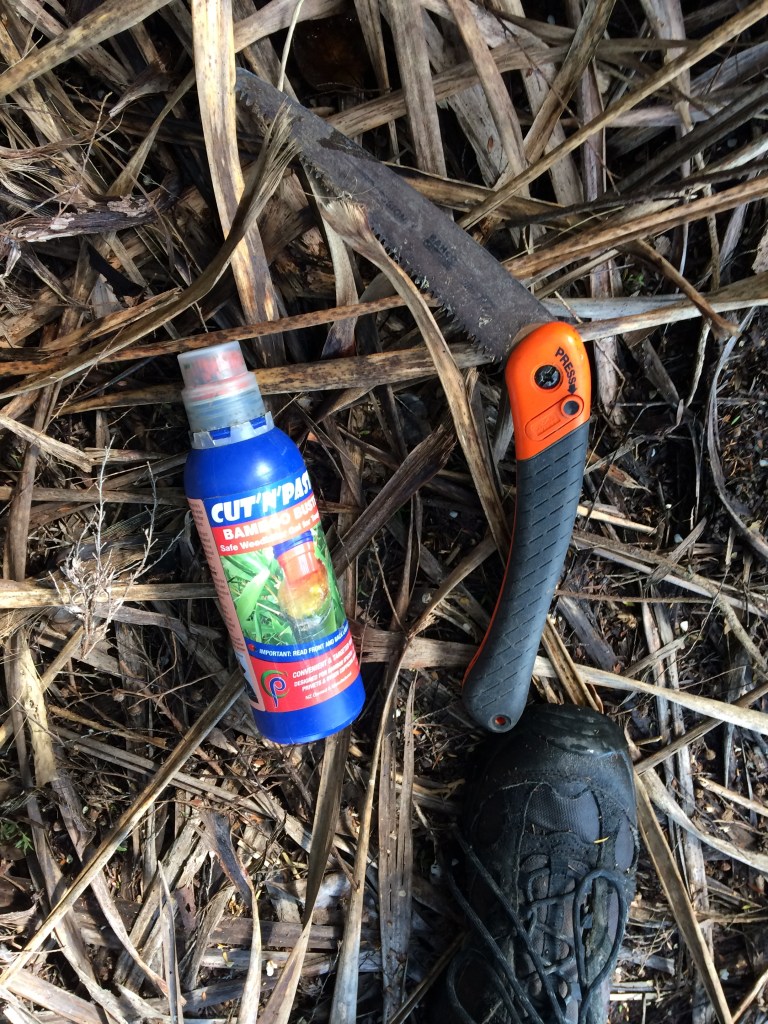

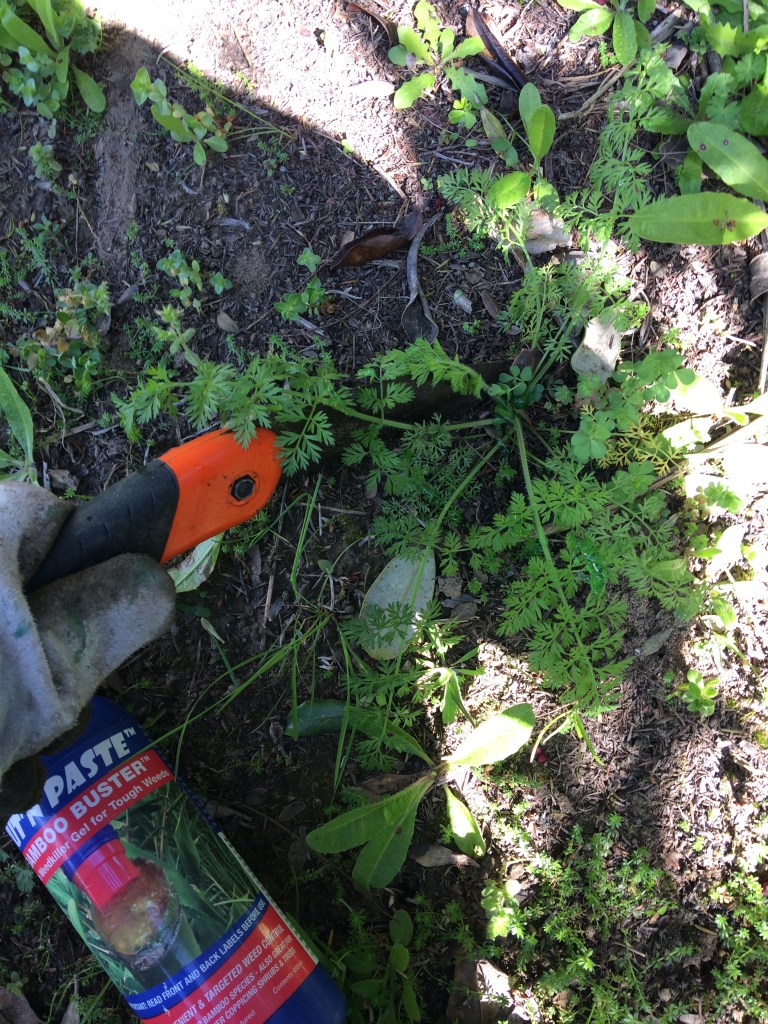
Varje séjour har även sin beskärda (haha) del av att gå runt och spana efter annat ”allmänt” ogräs. Inte det lättaste att hålla reda på, men med hjälp av de andra samt den fantastiska sidan Weedbusters har jag lärt mig ett par stycken.
Gorse, Ulex europaeus, på svenska tydligen kallad ärttörne, är min favorit. Den är nämligen lättast att känna igen. Den är liten och taggig, men kan ta över helt om den inte tas bort. Macadamianötgården jag var på för ett par veckor sedan hade också haft stora problem med den. Har såklart ingen bild på just gorse, men det gäller att dra upp hela växten med roten, och sedan spraya med giftet och gärna lämna rötterna uppåt så att de absolut inte kan börja växa igen.

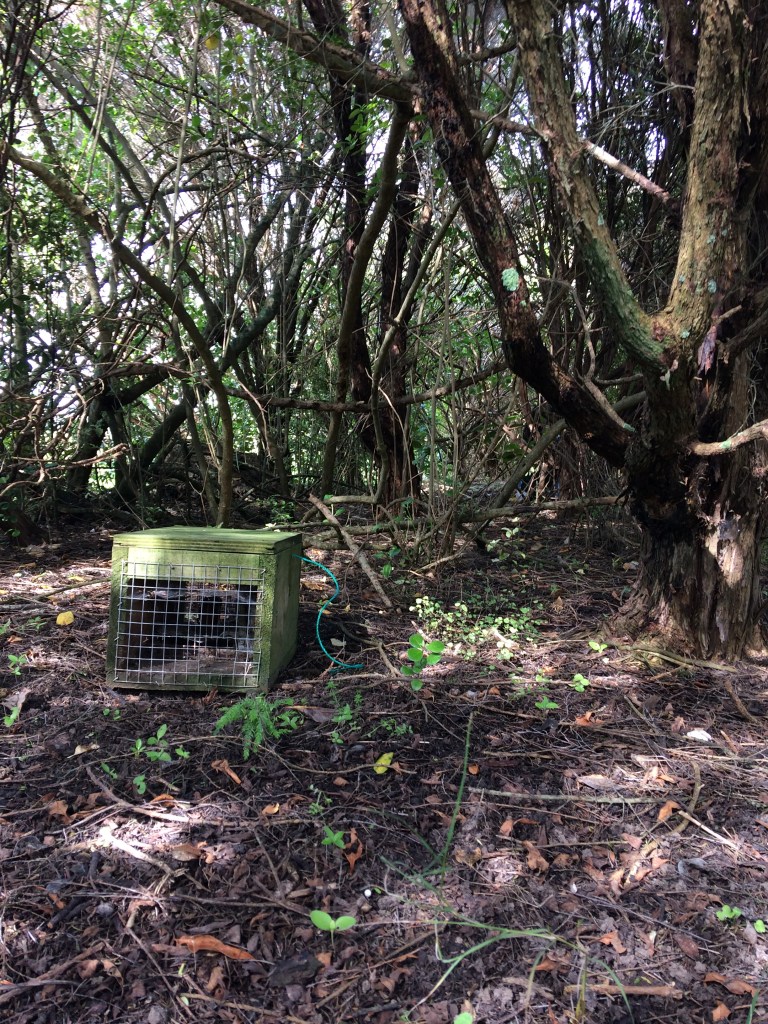
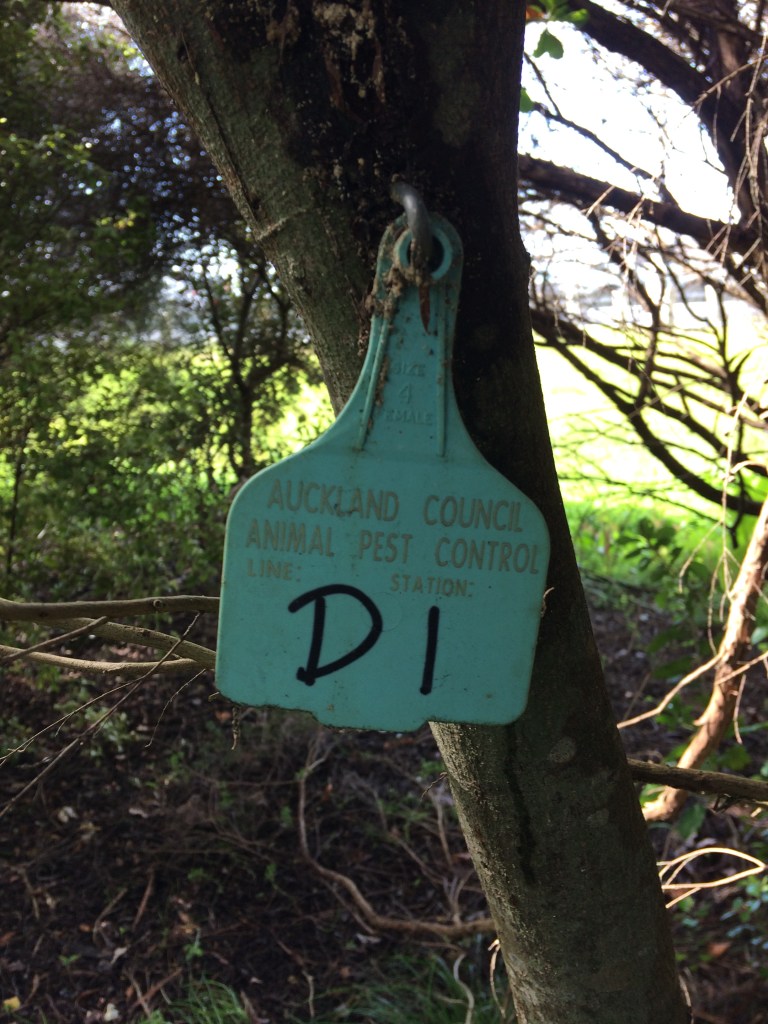
Här och var finns även fällor för de råttor, pungråttor och hermeliner som även de är invasiva och äter upp fåglar och ägg. Ändå en viss lättnad att fällorna alltid varit tomma när jag varit där.

If you’re into birds there’s a lot to see! Kan you spot the tui hiding in the tree? It’s black with a small white tuft on the neck.
På Forest & Birds hemsida finns mer att läsa, och de har även gjort den här smarta kartan där det går att läsa om kraterns olika delar. Intressant är även att amerikanska trupper började bygga bränsletankar här under andra världskriget, och betongresterna av dem finns fortfarande kvar.

During my time in Auckland I’ve developed a Thursday routine of putting on my boots and head down to the crater area in front of the house I’m living in. Volunteers from the conservation organisation Forest & Bird meet to once again combat the invasive species down there. I’ve mentioned this briefly in a previous post, but today I’m inviting you in, and maybe you’ll learn something new about weeds 😛
The group mostly consists of a bunch of energetic retired people, accompanied by people with flexible working hours and students and newbies like me. We usually meet at a container by the northern end. We equip ourselves with knives and weed poison and then head into the bush.
Sometimes we have a specific task, like cutting down pampas grass. The pampas is native in South America but has spread here. We spray its remains with a clever poison – it’s developed to only kill some species, weeds that is. Native plants are not affected by it.
During every session we also stroll around looking for more general weeds. It’s NOT easy to know what’s a weed and what’s not, but with the help of the others and the great website Weedbusters I’ve managed to learn a couple.
Gorse, Ulex europaeus, is my favorite, because it’s the easiest to recognize. It’s small and thorny, but can take over vast areas if not removed. The macadamia nut farm I visited a couple of weeks ago had also had huge problems with it. The trick is to pull up the entire plant, or as much of it as possible, spray and leave the roots facing upwards so that it can’t start growing again.
Here and there are traps for predators – rats, possums and stoats – that are invasive and eat birds and eggs. I have to admit it’s been quite a relief to see the traps all empty every time I’ve been around.
On the Forest & Bird website there’s much more to read. They’ve also made a great map where one can read more about the different areas of the crater. I found it quite interesting that American troops started to build fuel tanks here during the second world war. The concrete bases of them still remain.
 Gröna Julia